Seasonal Changes Impact Pool Maintenance and Safety Checks
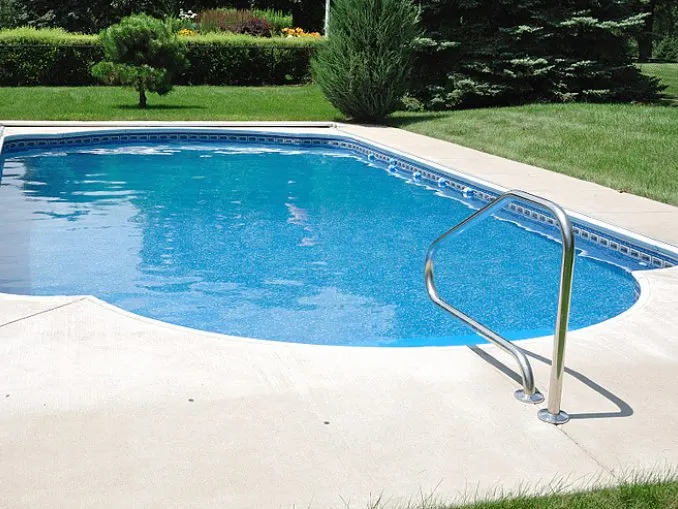
When Spring arrives in Dallas, most pool owners are eager to get their pool sparkling again after months of winter closure. But instead of sparkling blue water, you’re greeted by a murky green swamp. Leaves, pollen, and Texas dust have accumulated beneath the cover. Your pump may be struggling, the filter may be clogged, and suddenly you are no longer dreaming of your backyard retreat – instead it feels more like an expensive restoration project.
Unfortunately, this scenario is all too common for pool owners who underestimate the effects of seasonal changes. From unexpected winter freezes and heavy spring rains to scorching summer temperatures and shifting Texas soil, the Dallas climate can take a serious toll on your pool’s condition, safety, and operating equipment.
A swimming pool is a significant investment, and protecting that investment requires more than occasional cleaning. Each season presents unique challenges that affect water quality, structural integrity, equipment performance, and swimmer safety. Understanding how weather and usage patterns impact your pool throughout the year can help prevent costly repairs, extend the life of your equipment, and ensure your pool is always ready to enjoy.
Whether you’re a longtime pool owner or a first-time homeowner learning the responsibilities of pool maintenance, seasonal preparation is the key to keeping your pool clean, safe, and efficient year-round.
Pools seem to have a life of their own.
Pools do not sit around idly waiting to be used. Water chemistry, equipment operation, and general pool safety are influenced by the season. By not taking such changes into consideration, one risks:
- Costly repairs
- Unsafe water quality
- Equipment failure
- Structural damage
Habits that Help Year-Round
Safety and maintenance tests are as seasonal as chemical adjustments.
- Fall winds may damage the pool fence gates or the security system latches.
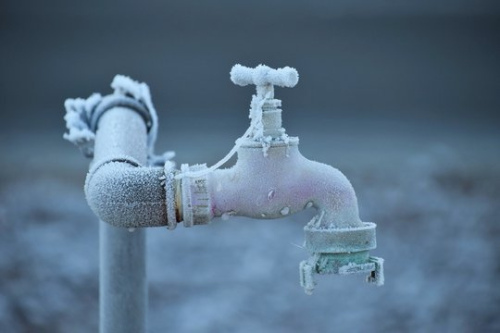
- Winter covers may conceal hazards, such as ice or fragile areas that could collapse under pressure.
- If water isn’t clear in summer, it can cause slips, trips, or other accidents.
- Check pool equipment regularly to ensure small problems don’t become big ones.
- Ongoing inspection of the pool’s water chemistry, even when the pool is not in use.
- Use covers, skimmers, and proper filtration year-round.
continue reading